

As days become shorter and temperatures start to drop, many of us feel energy and motivation slowly sapped away. Some may eat more comfort foods, sleep a lot more, or have no interest in things they usually enjoy doing. For some people, these changes go beyond the typical “winter blues.” They point to something deeper that is known as seasonal depression, or Seasonal Affective Disorder (SAD).
If this sounds familiar, you are not alone-and help is available.
What Is Seasonal Depression?
Seasonal depression is a type of depression with a seasonal pattern. Most often, symptoms begin in late fall or winter and lift during spring or summer. Experts believe that the condition is linked to changes in daylight, which can affect your body’s internal clock, serotonin levels, and sleep cycle.
What Causes Seasonal Affective Disorder?
Researchers point to several factors that contribute to seasonal depression:
- Reduced sunlight: Lower levels of daylight might disrupt your circadian rhythm, or your body’s clock, and affect mood regulation.
- Melatonin changes: With days getting shorter, melatonin levels increase, resulting in sleepiness and oversleeping.
- Stress and isolation: The colder months tend to bring less activity and more indoor time, which may heighten loneliness or stress.
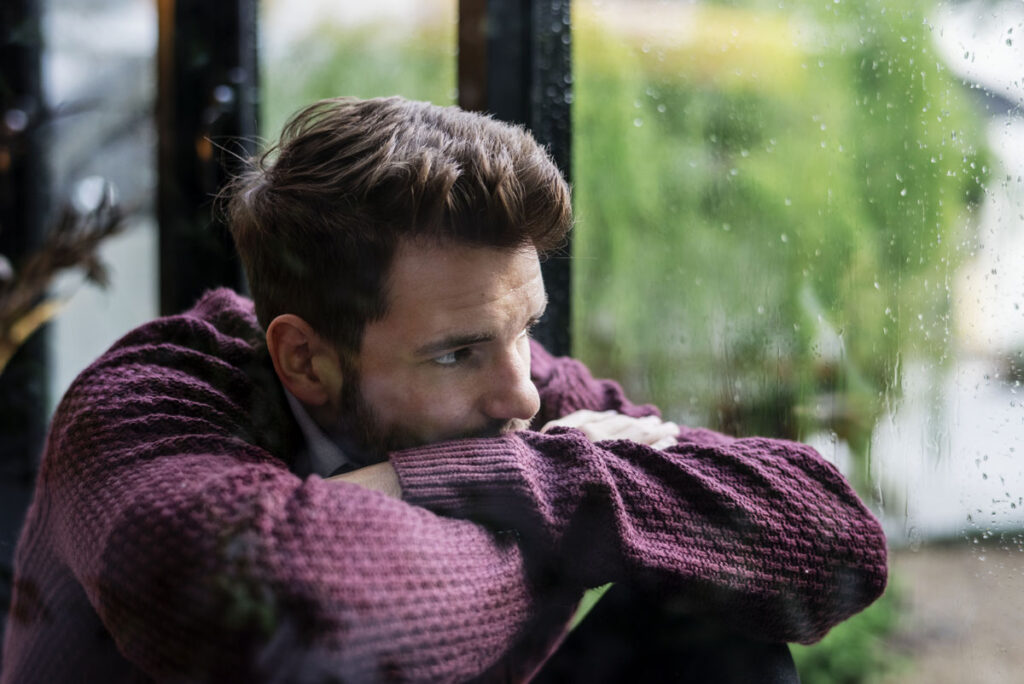
Common Symptoms of Seasonal Depression
- Persistent sadness or low mood
- Loss of interest in favorite activities
- Fatigue or low energy
- Oversleeping or difficulty waking up
- Cravings for carbohydrates, or changes in weight
- Difficulty concentrating
- Feelings of hopelessness or irritability
While winter-onset SAD is the most common, some people have a summer pattern, where long days and heat bring on insomnia, restlessness, or loss of appetite.
Recognizing When It’s More Than the “Winter Blues”
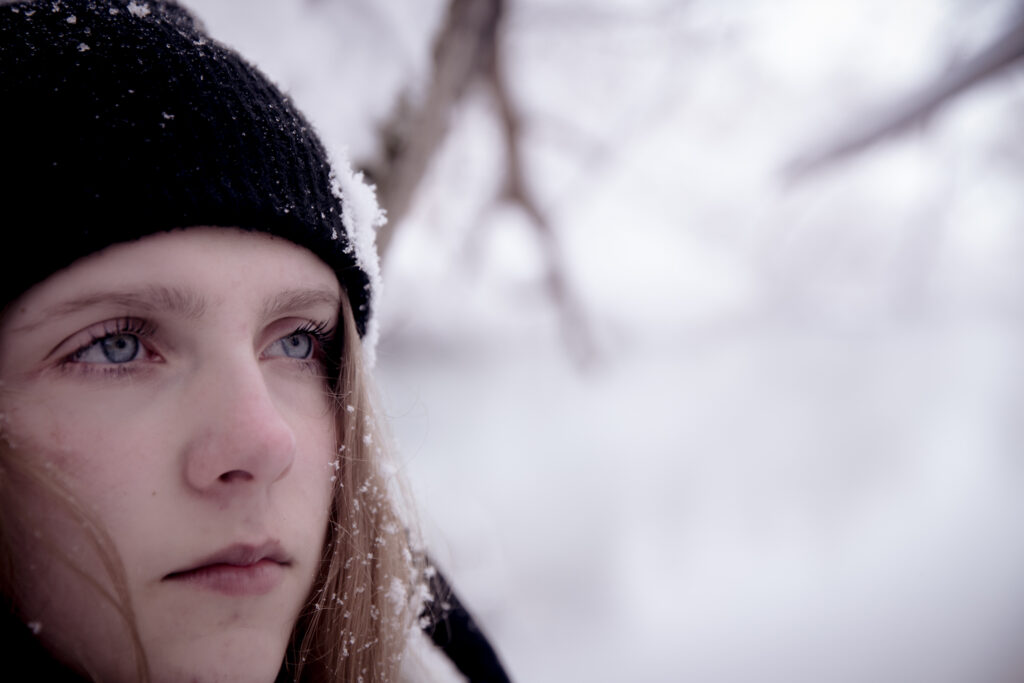
Although it is normal to feel somewhat slower or less energetic during the darker months, seasonal depression tends to last longer and affect daily life more deeply.
When the feeling of sadness has lasted for weeks or if one feels unable to function at work or at home, then it may be time to seek help. Depression is not a weakness; it’s a condition that responds well to care and treatment.
How To Cope With Seasonal Depression
1. Increase Natural Light Exposure
Get outside every day if possible, even on cloudy days. Morning sunlight helps reset your body’s clock and improves mood.
2. Light Therapy
Light therapy lamps may simulate natural sunlight and often are useful for SAD sufferers. They are usually most effective if used consistently every morning.
3. Be Active and Move Often
Exercise can raise serotonin and endorphins, naturally elevating mood. Even a brief walk or some light stretches can be effective.
4. Keep a Consistent Schedule
Consistent times for sleeping and eating will help your body stay balanced with energy.
5. Keep in Touch with People
Reach out to friends or loved ones, even when you don’t feel like it. Social support can ease symptoms of depression and help you feel less alone.
6. Seek Professional Help
It is possible to gain insight into and manage the symptoms associated with seasonal depression through therapy. Cognitive Behavioral Therapy, along with other evidence-based approaches, has been shown to reduce the symptoms of SAD, and medication or light therapy may be suggested in certain cases.
How CMHS Helps Individuals with Seasonal Depression
At CMHS, we’re aware that the time of year can have a significant impact, not just on your mood, but also on your well-being. Our licensed therapists provide a safe, non-judgmental space for discussing one’s feelings and constructing strategies that will be genuinely beneficial.
Whether it’s seasonal depression, low motivation, or emotional exhaustion, therapy will help you be much more connected with yourself again-feeling grounded, balanced, and in control. Take the first step toward better feelings this season and beyond by reaching out to CMHS today for an appointment.