
CHILD THERAPY · MILFORD, CT
Helping kids make sense of what they're feeling.
Children experience anxiety, grief, behavioral challenges, and big emotions — often without the language to explain them. Our therapists meet kids where they are and work with families as partners in care.
CHILD THERAPY AT CMHS
Helping kids make sense of what they're feeling — in a way that fits their world.
Children experience real emotional pain — they just don't always have the words for it. At CMHS, our child therapists are trained to meet kids where they are, using approaches designed for how children actually process their experiences.
Whether a child is struggling with anxiety, behavioral challenges, family changes, or something harder to name, therapy can give them the tools to understand their feelings and develop healthier ways to cope.
We work with children ages 5–12. Parents and caregivers are important partners in the process — we keep you informed and involved every step of the way.
WHY IT MATTERS
The emotional foundations children build now follow them for life.
Children's brains are still developing — which means they're both more vulnerable to certain stressors and more responsive to therapeutic intervention. Early support can prevent challenges from compounding and give kids tools they'll carry into adulthood.
Kids who learn to identify and manage their emotions, work through conflict, and ask for help when they need it are better equipped across every domain — school, friendships, and family life.
Therapy also gives parents crucial insight — a clearer picture of what their child is carrying and concrete ways to support them at home.
OUR APPROACH
Evidence-based care tailored to each child's age and personality.
We draw from a range of approaches — including Cognitive Behavioral Therapy (CBT) adapted for children, play therapy, parent-child interaction techniques, and mindfulness-based strategies. Your child's therapist will select the combination most likely to fit how your child communicates and processes their world.
Some children work best through conversation. Others open up through play, art, or storytelling. Our therapists are experienced with all of it.
WHAT TO EXPECT
What child therapy at CMHS looks like in practice.
The first step is a parent or caregiver consultation — a chance for us to understand your child's history, what you're observing, and what you're hoping therapy will help with. From there, we match your child with the right therapist.
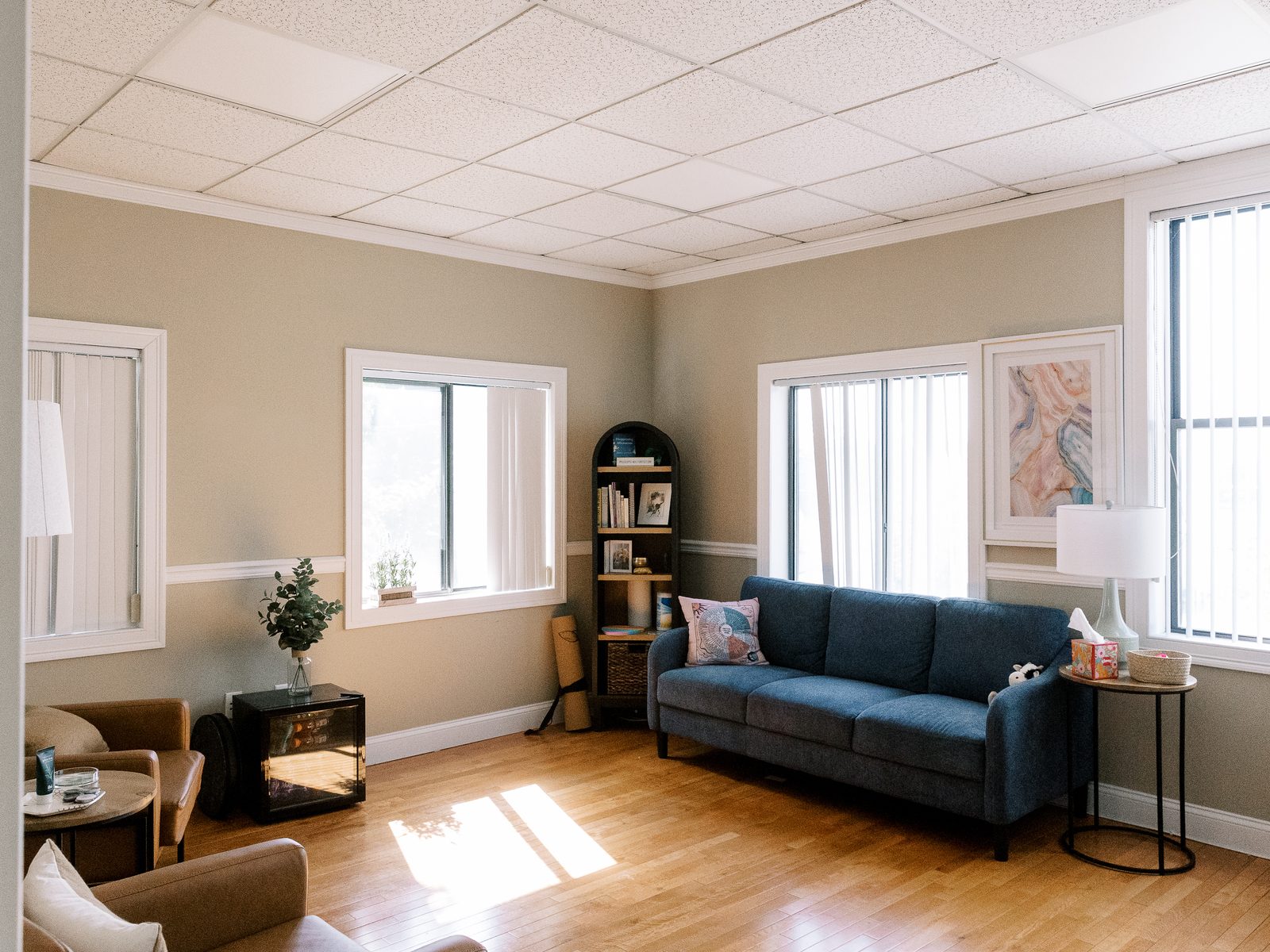
- First session — Your child meets their therapist in a comfortable, low-pressure setting. The goal is simply to build rapport.
- Ongoing sessions — Weekly 45–50 minute sessions that adapt as your child grows and their needs evolve.
- Regular caregiver check-ins — Periodic updates to keep you informed and aligned with what's happening in sessions.
- Home strategies — Practical guidance for reinforcing progress between sessions.
Progress in child therapy is often gradual — but most families notice meaningful changes within the first few months of consistent work.
FAMILY INVOLVEMENT
Parents and caregivers are an essential part of the process.
Child therapy doesn't happen in a vacuum. The home environment, parenting strategies, and family dynamics all shape how a child processes their experience — and how well therapy sticks.
That's why we involve parents and caregivers throughout the process. You'll receive regular updates, guidance on how to support your child at home, and practical tools that reinforce what we're working on in sessions.
The CMHS integrated advantage
When a child's care includes both therapy and medication management, our providers coordinate directly — so nothing falls through the cracks and your child's whole team is working from the same picture.
Your child deserves to feel better. We can help.
If your child is struggling and you’re not sure where to turn, a conversation with one of our clinicians is a good first step. We’ll help you understand what we’re seeing and what care might look like — no pressure, no commitment required.
Common questions about child therapy
What ages do you work with in child therapy?
CMHS works with children from early childhood through adolescence. The specific age range depends on the therapist and the type of support your child needs. During an initial consultation, we’ll discuss your child’s age and what you’re noticing at home or school, and match you with a clinician who has the right experience for your child’s stage of development.
How will I be kept informed about my child's progress?
Parent involvement is an important part of child therapy. Your therapist will typically check in with you at the start or end of sessions and schedule regular updates to discuss how your child is progressing and any changes you might notice at home. While the content of what your child shares stays private to build therapeutic trust, you’ll always have a clear picture of the goals being worked on and the overall direction of care.
How is child therapy different from adult therapy?
Children often express their experiences through play rather than direct conversation, so child therapy frequently incorporates play-based approaches, art, and other creative techniques. This isn’t just for fun — these methods are clinically effective ways of helping children process emotions, build coping skills, and work through difficult experiences. The approach is always tailored to your child’s age, development, and personality.
How long does child therapy typically take?
The length of treatment depends on what your child is working through and how they respond to therapy. Some children benefit from a short-term, focused approach, while others do best with longer-term support. Your therapist will reassess goals regularly and keep you informed about progress. The goal is always to give your child the tools they need — and to reach a point where they no longer need the same level of support.